The opera, act by act
La Traviata explained for first-timers
Verdi's La Traviata for a first night at the opera: what the title means, who is who, the story act by act, and the music to listen for.
Reserve your seat for Violetta ↗Quick answer
La traviata is Verdi's three-act tragedy of Violetta Valéry, a Paris courtesan who gives up her old life for Alfredo Germont and is then pressed to give him up. It premiered in Venice on 6 March 1853 and is sung in Italian. Know the three acts beforehand and you can simply listen: a party and a toast, a country house and a public scandal, then a last room and a farewell.
What the title means
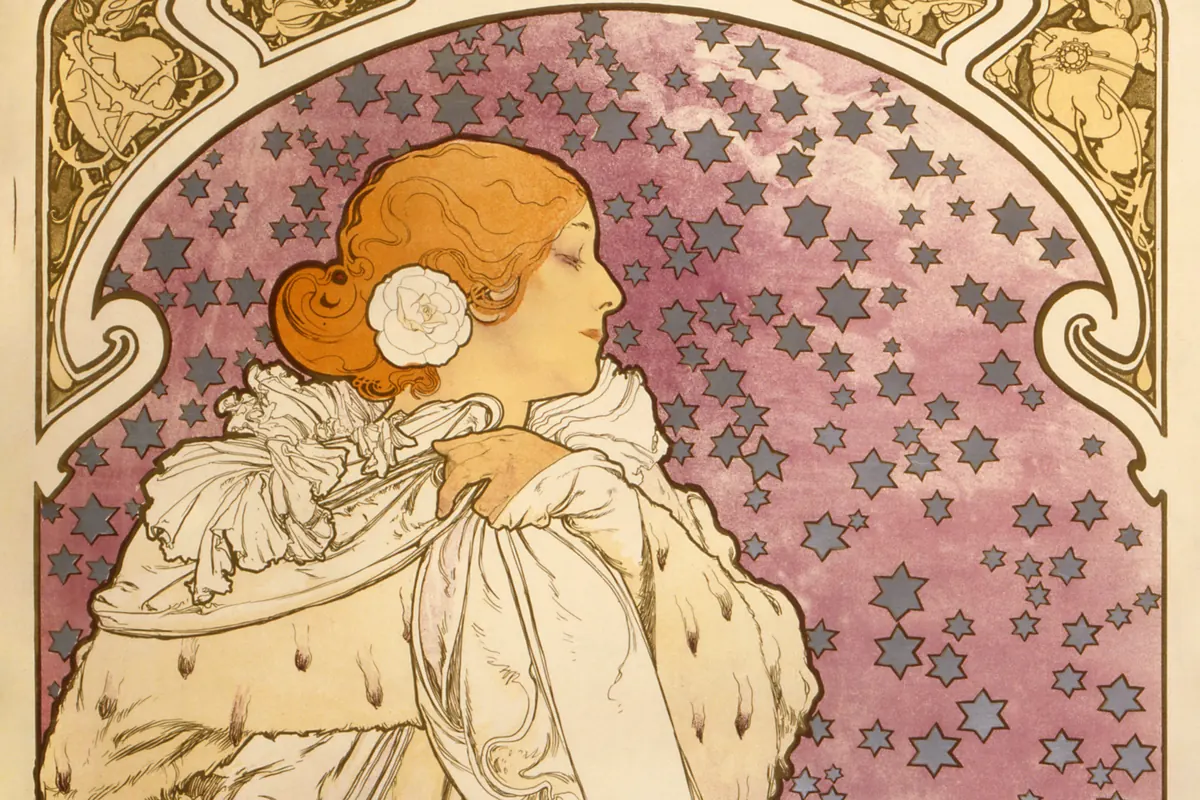
La traviata is Italian for The Wayward Woman. Verdi and his librettist, Francesco Maria Piave, first called the opera Violetta, after its heroine, and the title changed before the premiere. The libretto is based on La Dame aux camélias, a play by Alexandre Dumas fils first staged in 1852, which Dumas adapted from his own 1848 novel. Verdi saw the play in Paris that February and began composing at once. The opera has been among the most frequently performed in the world ever since. The Italian word traviata describes a woman who has strayed from the proper path, and Verdi's opera asks the audience to judge how fairly she is treated.
Who is who
Three characters carry the story. Violetta Valéry is a soprano and the courtesan at its centre. Alfredo Germont is a tenor, a young man from a respectable family who falls in love with her. Giorgio Germont, Alfredo's father, is a baritone, and the opera turns on his meeting with Violetta in the second act. Around them are Flora, Violetta's friend, Baron Douphol, her current lover, her maid Annina and Dr Grenvil. A choir plays the guests at the two parties. Violetta, Alfredo and Giorgio drive the plot; the others mostly serve the two parties. Verdi gives each lead a voice type to suit the part, and the soprano's music changes more than anyone's. Listening for the three voices as separate characters is the quickest way to follow the story.
Act I: the party
The first act is a party in Violetta's salon in Paris. Alfredo is asked to sing a brindisi, a drinking song, and Libiamo ne' lieti calici is the result: Let's drink from the joyful cups. The guests dance in the next room, and Violetta, short of breath, stays behind. Alfredo tells her he loves her. She gives him a flower and asks him to bring it back when it has wilted. Alone, she wonders whether she can ever give up her freedom, and the act ends on her Sempre libera, Always free. The Baron, Violetta's current lover, refuses to give the toast, and the crowd turns to Alfredo.
Act II: the country house and Flora's party
Three months later Violetta and Alfredo live in a country house outside Paris. Alfredo learns that she has been selling her possessions to pay for it. Then his father, Giorgio Germont, calls on her and asks her to give his son up, because her reputation threatens his daughter's engagement. She agrees and writes a farewell letter. At Flora's party Alfredo, not knowing why she left, humiliates her in front of the guests. His father enters and condemns him. At the party there are entertainers, with a chorus of gypsy girls and one of matadors, and Alfredo wins heavily at cards before throwing his winnings at Violetta's feet.
Act III: the last room
The final act takes place in Violetta's bedroom. Her tuberculosis has worsened and the doctor says she has little time. She reads a letter from Giorgio Germont saying that he has told Alfredo what she sacrificed, and she sings Addio, del passato, Farewell, lovely happy dreams of the past. Alfredo returns and the lovers are reunited. They talk of leaving Paris together, but she knows it is too late. For a moment she feels revived, and then she dies in his arms.
The music to listen for
The prelude opens with very soft, very high strings that picture the frail heroine, then the main love theme. Waltz rhythms run through the first act and give it a Parisian feel. Violetta's music changes as she does: ornate, almost feverish coloratura in the first act, more dramatic lines in the second, and a spiritual quality as she dies. Wikipedia notes that La traviata is the only one of Verdi's many operas set entirely indoors, which is why a church nave, where voices sit close, can suit it. Verdi's score includes an on-stage band in the party scenes, which gives the dance music a street-and-salon sound.
The famous numbers, in order
Several moments are worth knowing by name, and Wikipedia's synopsis gives their texts. They arrive in the order of the story, so you can tick them off as the evening unfolds. The first two close the opening act, the next two belong to the confrontation between father and heroine, and the last is the heroine's farewell. Wikipedia also records that the second-act party includes the choruses of the gypsy girls and the matadors.
- Act I: Libiamo ne' lieti calici, the drinking song, Let's drink from the joyful cups
- Act I: Sempre libera, Violetta's decision to stay free
- Act II: Pura siccome un angelo, Giorgio Germont asks her to give Alfredo up
- Act II: Di Provenza il mar, Giorgio's song of home to bring his son back
- Act III: Addio, del passato, Violetta's farewell to happy dreams
A failed first night
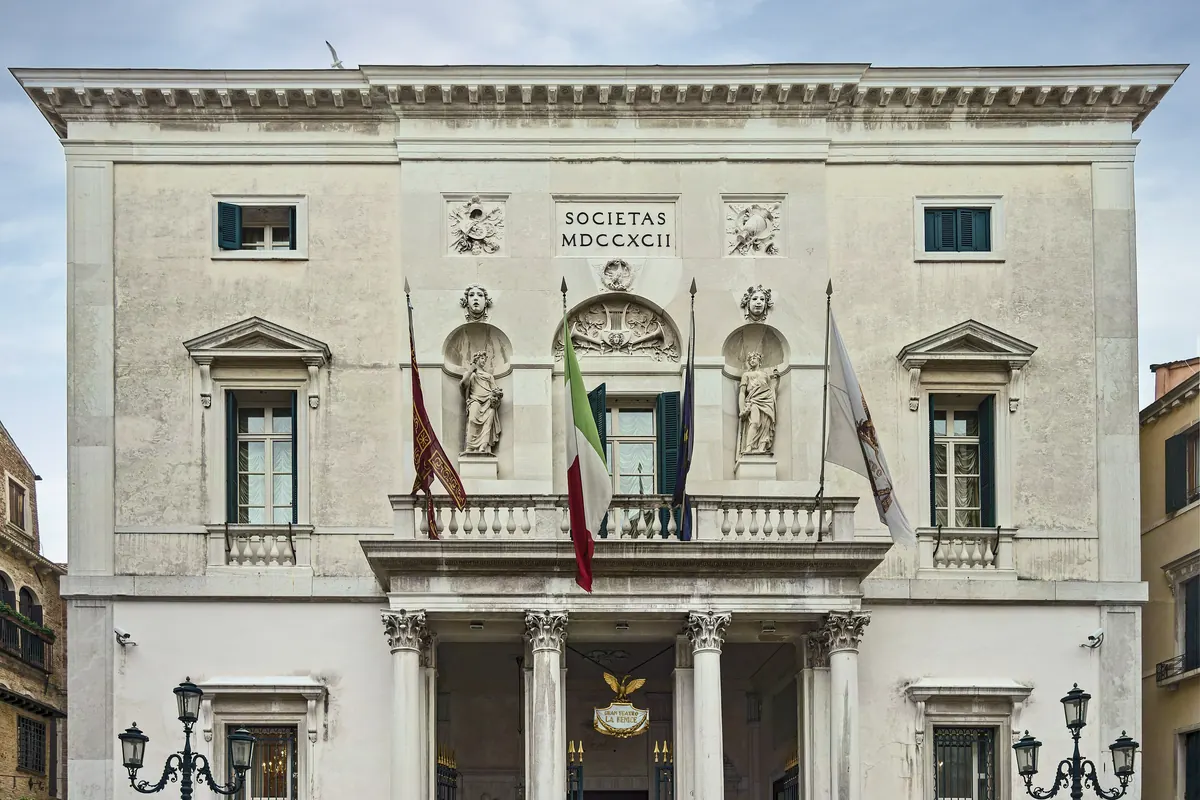
The premiere at La Fenice in Venice on 6 March 1853 did not go well. The audience jeered at times and directed some scorn at the casting of Violetta, and the authorities had insisted that the opera be set around 1700 rather than in the present day. The next day Verdi wrote that it had been a failure and asked whether the fault was his or the singers'. After revisions it was staged again at the Teatro San Benedetto in Venice on 6 May 1854 and was a great success. The first act was met with applause, but the audience turned against the performance in the second.
How the opera travelled
After the revised Venice production, La traviata spread quickly. Wikipedia lists its first performances in Madrid on 1 February 1855, Vienna on 4 May 1855 and Barcelona in October that year, then London on 24 May 1856, where it was considered morally questionable, and Buenos Aires in June 1856. New York heard it on 3 December 1856 and Paris on 6 December 1856, first in Italian. Wherever it went, audiences argued about the heroine, and it kept returning to the stage.
What to expect in a church
Opera e Lirica soloists, drawn from Italian theatres and music academies, perform with a choir and an orchestra, and the production credits scenes and costumes to the costume house Bolero Sartoria. It is an opera performed in a nave, not on an opera-house stage, so the scale is intimate and the sound is close. The language is Italian. Do not count on subtitles, which is why knowing the three acts matters. The performance runs for about two hours, and the booking page shows the start time for your date.
Who this isn't for
Comedy fans should look elsewhere, because the heroine dies, and the opera is about shame, sacrifice and illness. If you need English words on a screen or a full-size opera house with a large orchestra pit, a church performance may disappoint. If a story told in song for about two hours sounds like too much, an hour of arias at a palace in Rome is a gentler introduction. Everyone else gets a first opera with one of the best-known plots in the repertoire.
Frequently asked questions
Is La Traviata sad?
Yes. It is a tragedy: Violetta dies of tuberculosis in the last act. The first act is lively, with a party and a famous drinking song.
Do I need to read the story first?
It helps, because the opera is sung in Italian. The three-act summary in this guide takes about two minutes and makes the evening easy to follow.
What language is it sung in?
Italian. Piave wrote the libretto in Italian, and Verdi set it to music for the premiere in Venice in 1853.
Will I know any of the music?
Probably. Libiamo ne' lieti calici, the first-act drinking song, is one of the best-known melodies in opera.
How long is the performance in Rome?
Roughly two hours; each date in the calendar gives its own start time.
Who wrote the words?
Francesco Maria Piave, the librettist who wrote ten operas for Verdi, including Rigoletto. He based La traviata on the Dumas play.
When was it first performed?
On 6 March 1853 at La Fenice in Venice. The first night went badly, and a revised version succeeded in May 1854.
Sources